Curve Ball
A cricket analytics platform built end to end: match-outcome simulation from historical data, computer-vision technique analysis, real-time match dashboards, and a domain-constrained OpenAI assistant.
Team
- Shaheer Aslam (me)
- Basit Faisal
- Hassan Riaz
- Zain Nofal
Outcome
4
AI capabilities in one system
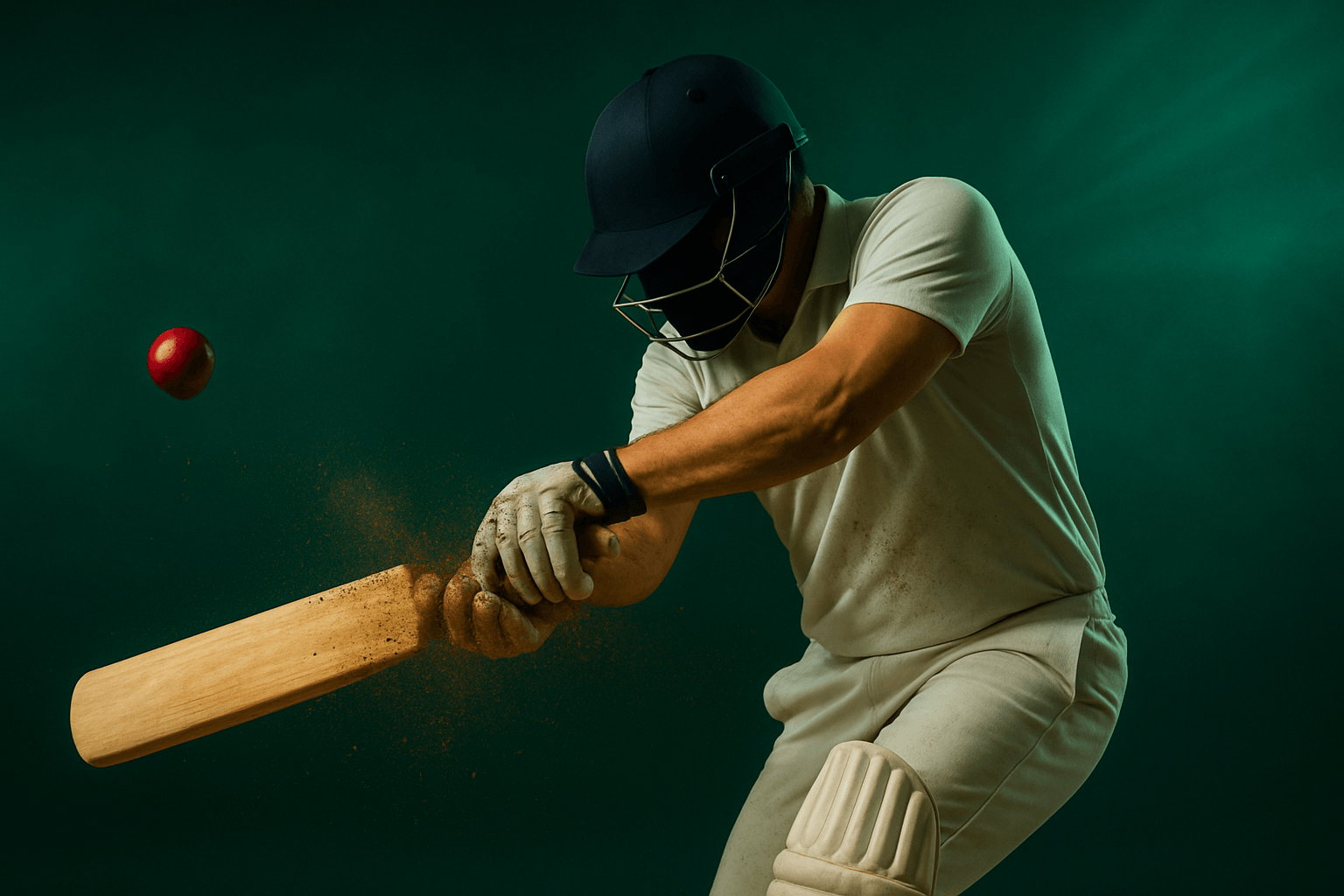
In the product
Context
My final-year project at GIK Institute and the start of my AI engineering journey. Curve Ball set the pattern I have followed since: design a complete system rather than a model in isolation, bringing simulation, computer vision, real-time data, and an LLM assistant together into one product.
Approach
- 01Designed the end-to-end architecture connecting data, models, dashboards, and an assistant into one coherent product.
- 02Trained match simulation models on historical performance data that users could upload themselves.
- 03Built computer-vision analysis to assess player angles and surface technical improvement feedback.
- 04Streamed real-time updates to Power BI dashboards over WebSockets, and integrated the OpenAI API as a cricket-domain assistant.
How it works
Data
Historical match data
User-uploadable performance datasets
Simulate
Match models
Outcome simulation from history
Vision
Computer vision
Player angles and technique feedback
Stream
Power BI + WebSockets
Real-time match dashboards
Assist
OpenAI assistant
Constrained to the cricket domain
Results
Real time
Match insight dashboards
CV + LLM
Vision analysis and OpenAI assistant
End to end
Designed, built, and integrated
Reflection
Curve Ball was a team project where everyone built their piece in isolation, computer vision, real-time data processing, an OpenAI assistant, each done separately with little thought for how they'd fit together. Making them work as one coherent system fell to me: reconciling data formats between components, managing the flow between them, and making sure the end result was a single product a user could actually use, not three separate parts bolted together.